

Are your nights disrupted by the unmistakable sounds of snoring? If you or your partner is a chronic snorer, there might be an unexpected culprit behind the nightly symphony—allergies. This article delves into the intricate relationship between snoring and allergies, exploring why allergies may lead to snoring and offering valuable tips for allergy sufferers.
Unraveling the Connection
Why Do Allergies Cause Snoring?
Allergies, whether seasonal or perennial, can contribute to snoring in several ways. One primary mechanism is nasal congestion. When you’re exposed to allergens like pollen, dust mites, or pet dander, your body may react by producing histamines. These histamines cause the nasal passages to swell and produce excess mucus, leading to congestion. The narrowed airways make it harder for air to flow freely, resulting in snoring.
In addition to congestion, allergies can also trigger inflammation in the throat and airways. This inflammation further narrows the passage for air, creating turbulence and the characteristic snoring sound.
Types of Allergies and Their Impact on Snoring
- Seasonal Allergies: Pollen from trees, grasses, and weeds can trigger seasonal allergies. During peak allergy seasons, individuals may experience increased nasal congestion, potentially intensifying snoring.
- Perennial Allergies: Allergies to substances present year-round, such as dust mites, mold, and pet dander, can cause persistent nasal congestion and contribute to chronic snoring.
Understanding the specific allergens that affect you is crucial for tailoring an effective snoring management plan.

The Impact of Snoring on Health
Concerns Beyond Sleep Disruption
While snoring might be dismissed as a mere nocturnal nuisance, its impact extends beyond disturbing the peace. Persistent snoring can lead to fragmented sleep, affecting the snorer’s overall sleep quality and potentially causing daytime fatigue.
Relationship Strain
Snoring can strain relationships, especially when the partner is consistently disturbed. Lack of sleep due to a snoring partner can lead to irritability, communication problems, and even separate sleeping arrangements. Addressing the root cause of snoring becomes crucial not just for personal well-being but for the harmony of relationships.

Tips for Allergy Sufferers: How to Combat Snoring
-
Maintain a Clean Sleeping Environment
Create a sanctuary for rest by regularly cleaning your bedroom. Wash bedding, pillowcases, and curtains in hot water to eliminate allergens. Consider using hypoallergenic pillows and mattress covers.
-
Invest in Air Purifiers
Air purifiers can help reduce airborne allergens, creating a cleaner and healthier sleeping environment. Look for purifiers with HEPA filters capable of capturing even the smallest particles.
-
Nasal Irrigation
Consider incorporating nasal irrigation into your daily routine. A saline solution can help flush out irritants and reduce nasal congestion, potentially alleviating snoring.

-
Choose Allergy-Friendly Bedding
Opt for bedding materials that are less likely to harbor allergens. Hypoallergenic pillows and comforters can provide a barrier against dust mites and other triggers.
-
Stay Hydrated
Drinking plenty of water helps keep the mucous membranes in your throat and nose hydrated, preventing excessive mucus production. This can make it easier to breathe and reduce the likelihood of snoring.
-
Identify and Avoid Triggers
Work with an allergist to identify specific allergens triggering your symptoms. Once identified, take steps to minimize exposure. This may involve changes in your home environment or adjusting outdoor activities during high pollen seasons.
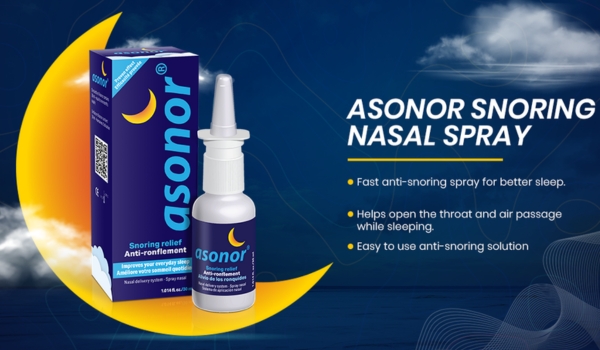
Asonor Anti-Snoring Spray: Your Solution to Allergy-Induced Snoring
For those seeking relief from snoring caused by allergies, Asonor Anti-Snoring Spray offers an effective solution. The spray is designed to lubricate and tighten the tissues in the throat, reducing the vibrations that lead to snoring. Clinically proven to be effective in 75% of cases studied, Asonor provides a non-invasive, user-friendly approach to addressing snoring.
Don’t let allergies continue to disrupt your sleep and the sleep of those around you. Asonor Anti-Snoring Spray, developed by TannerMedico through extensive research, can be the key to quieter, more restful nights. If you’ve been longing for an ideal anti-snoring solution, email your questions to info@tannermedico.com and take the first step toward a snore-free and peaceful sleep.
0 Comments