

If you frequently wake up with a pounding head, you’ve likely wondered if your snoring is to blame. The answer is often yes. While not every snorer will experience them, there is a strong connection between morning headaches and breathing disruptions during sleep, especially those associated with sleep apnea. When your breathing is compromised at night, it can trigger changes in your body’s oxygen levels and blood flow, both of which are key contributors to that familiar morning pain.
Why Does Snoring Lead to Headaches?

Snoring is the sound produced when air can’t move freely through your upper airway, causing the tissues in your throat to vibrate. For many, this is simply a nuisance. However, for those with conditions like sleep apnea, these airway blockages are frequent and severe enough to interrupt breathing.
This interruption causes two main problems that can trigger a headache:
- Reduced Oxygen Levels: When breathing stops, the oxygen level in your blood can fall, a condition known as hypoxia. This lack of sufficient oxygen disrupts normal brain function.
- Increased Intracranial Pressure: The effort to breathe against a blocked airway can increase the pressure inside your skull.
Over the course of a night, these repeated disruptions can leave you waking up feeling groggy, mentally foggy, and in pain.
When to Consult a Doctor
Morning headaches linked to snoring should not be ignored. It’s important to speak with a healthcare professional if you experience them several times a week or if they are accompanied by other key symptoms, such as:
- Excessive sleepiness during the day
- Observed pauses in breathing during sleep
- Loud, chronic snoring
These can be signs of Obstructive Sleep Apnea (OSA), a serious health condition that carries long-term risks if left untreated. In this context, addressing your snoring is not just about comfort—it’s about protecting your overall health.
Practical Steps for Relief
The good news is that there are effective ways to reduce snoring and its related effects. Simple lifestyle adjustments can make a significant difference.
- Stay Hydrated: Dehydration can dry out the tissues in your throat, which can worsen snoring vibrations.
- Maintain a Healthy Weight: Excess weight, especially around the neck, can narrow your airway.
- Avoid Alcohol Before Bed: Alcohol relaxes the throat muscles, increasing the likelihood of airway obstruction.
- Keep Your Bedroom Allergen-Free: Dust, pollen, and pet dander can cause congestion that leads to snoring.
For more targeted relief, various products are available. Throat sprays and strips can lubricate throat tissue to ease vibrations. Nasal sprays, strips, or dilators can open blocked nasal passages. For those with louder snoring, an oral device can help by repositioning the jaw to keep the airway open.
The Bottom Line
Snoring can directly cause morning headaches by disrupting breathing, which in turn reduces oxygen to the brain and increase
s cranial pressure. By making proactive lifestyle changes and seeking medical advice for persistent symptoms, you can achieve quieter nights and wake up feeling refreshed and headache-free.
Choosing the Right Path: Asonor Steps In
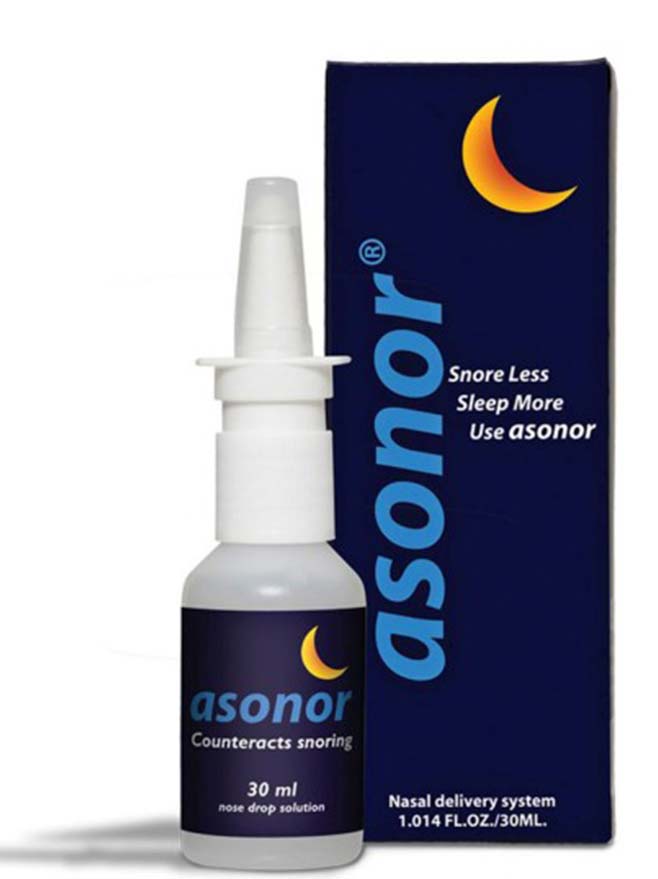
Now, introducing the game-changer—Asonor Anti-snoring Spray and Snoring Solution by TannerMedico. With a clinical effectiveness of 75%, Asonor is not just a remedy; it’s a result of meticulous research into the intricate causes of snoring. Why let chronic snoring erode the quality of your life? If you’ve been on the quest for the ideal anti-snoring solution for you or your partner, send your inquiries to info@tannermedico.com. Don’t let snores dictate your nights; reclaim peaceful sleep with Asonor.
0 Comments