

The Link Between Sleep and Lung Health
While often dismissed as a harmless habit, persistent snoring and daytime fatigue can be critical signals of underlying respiratory issues. The connection between how we sleep and how we breathe is fundamental to our health. When breathing is compromised during sleep, it can lead to significant health consequences that should not be ignored.
Recognizing the Warning Signs of a Sleep Disorder
It’s important to understand the key indicators of a potential sleep-related breathing problem. Chronic, loud snoring is a primary symptom because it often signifies a restricted airway. Pay close attention if snoring is accompanied by any of the following:
- Constant daytime fatigue, even after a seemingly full night’s sleep.
- Morning headaches.
- Difficulty concentrating or memory lapses.
- Waking up suddenly at night, sometimes gasping or choking.
- Observed pauses in breathing during sleep (a key sign of sleep apnea).
These symptoms may point to serious conditions like obstructive sleep apnea, a disorder affecting an estimated 22 million Americans, many of whom remain undiagnosed. Risk factors such as obesity, smoking, and a family history of sleep disorders can increase your chances of developing the condition.

The Broader Health Impact of Poor Sleep and Breathing
Untreated, the effects of poor sleep-related breathing extend far beyond feeling tired. Chronic snoring and sleep apnea can lead to severe health complications by placing significant strain on your body. These include:
- Increased risk of hypertension and cardiovascular strain.
- Reduced blood oxygen levels during sleep.
- Potential neurological impacts, such as trouble with focus and memory.
Research indicates that untreated sleep disorders can increase the risk of heart disease by as much as 300%, underscoring the urgent need for professional evaluation.
When to See a Doctor and What to Expect
If sleep disruptions and the symptoms above persist for more than a few weeks, it is crucial to seek medical guidance from a doctor or a pulmonologist—a specialist in lung health.
A medical evaluation for a suspected sleep disorder typically involves:
- A Detailed Patient History: Discussing your symptoms, lifestyle, and family medical history.
- Diagnostic Tests: These may include tests to measure your respiratory function or an overnight sleep study to monitor your breathing, heart rate, and oxygen levels.
- A Personalized Treatment Plan: Based on the diagnosis, treatment may include CPAP (Continuous Positive Airway Pressure) therapy to keep your airway open, targeted lifestyle recommendations, or other medical interventions.
Lifestyle Changes for Better Sleep and Lung Health
Alongside medical treatment, you can take proactive steps to improve your sleep and respiratory function:
- Maintain a consistent sleep schedule.
- Engage in regular exercise.
- Manage your weight effectively.
- Avoid alcohol and sedatives before bed, as they can relax throat muscles and worsen symptoms.
- Create a quiet, dark, and cool sleep environment.
Treating the root cause of snoring and fatigue can dramatically enhance your energy levels, improve concentration, and, most importantly, reduce your risk for serious long-term health problems.
Choosing the Right Path: Asonor Steps In
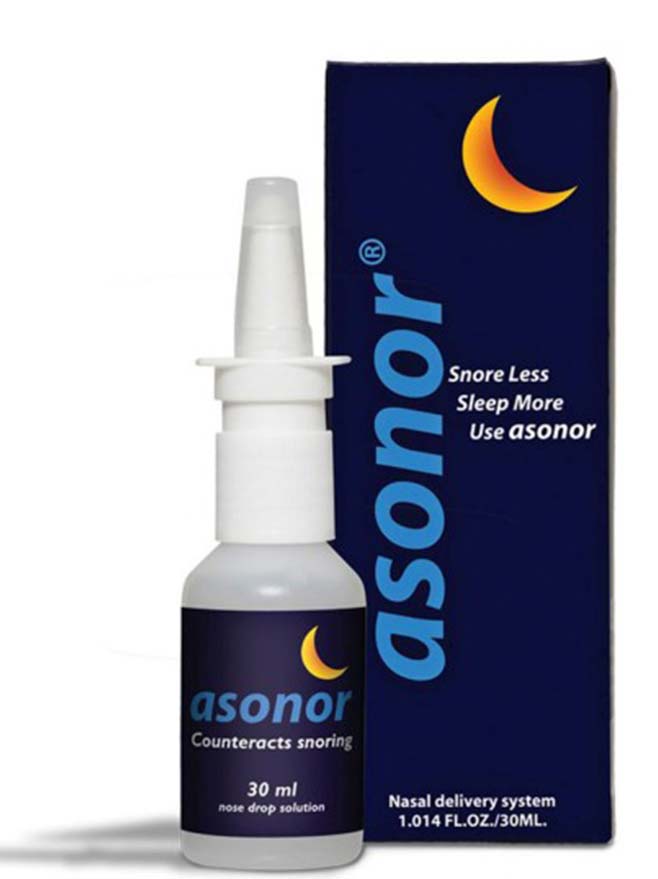
Now, introducing the game-changer—Asonor Anti-snoring Spray and Snoring Solution by TannerMedico. With a clinical effectiveness of 75%, Asonor is not just a remedy; it’s a result of meticulous research into the intricate causes of snoring. Why let chronic snoring erode the quality of your life? If you’ve been on the quest for the ideal anti-snoring solution for you or your partner, send your inquiries to info@tannermedico.com. Don’t let snores dictate your nights; reclaim peaceful sleep with Asonor.
0 Comments