

If you or your partner struggles nightly with the rattling sound of snoring, you know how disruptive it can be. But what if that nightly noise was more than just an annoyance? What if it was a sign of a deeper health issue, intrinsically tied to persistent heartburn or acid reflux?
The relationship between chronic snoring and gastroesophageal reflux disease (GERD), commonly known as acid reflux, is stronger and more cyclical than most people realize. Understanding the snoring and acid reflux link is crucial because addressing one problem often leads to the unexpected improvement of the other. For the millions dealing with poor sleep, morning hoarseness, and persistent nighttime heartburn, this connection may hold the key to restorative rest.
The Two-Way Street: How Snoring Causes Reflux
The link between these two nighttime disturbances is deeply rooted in respiratory mechanics. When you snore, your airway partially collapses, leading to moments of obstructed breathing (apnea or hypopnea). When the body attempts to breathe against this closed airway, it creates an intense negative pressure—a vacuum effect—inside the chest cavity.
This negative intra-thoracic pressure doesn’t just pull air into the lungs; it also pulls contents upwards from the stomach. This suction overcomes the barrier provided by the Lower Esophageal Sphincter (LES), allowing stomach acid and digestive juices to reflux into the esophagus. This is often called Laryngopharyngeal Reflux (LPR) or Silent Reflux, as the primary symptoms might not be heartburn, but rather a chronic cough or throat clearing.
The Link Between Sleep and Lung Health
The Reverse Effect: How Reflux Worsens Snoring
The cycle doesn’t stop there. Once stomach acid enters the throat and upper airway (pharynx and larynx), it causes significant irritation. This acidic burn leads to inflammation and swelling of the delicate tissues lining the throat. Swollen tissues further narrow the airway, making the passage smaller and floppier, which dramatically increases the likelihood and volume of snoring.

GERD, Sleep Apnea, and the Vicious Cycle
While basic snoring can trigger reflux, the connection is even more pronounced in individuals suffering from Obstructive Sleep Apnea (OSA)—a severe form of breathing obstruction. Studies show that a high percentage of OSA patients also report GERD symptoms. Treating the OSA, often with continuous positive airway pressure (CPAP) therapy, frequently resolves the associated reflux without medication, confirming the mechanical link.
Ignoring this vicious cycle can lead to serious long-term health consequences, including erosive esophagitis, Barrett’s esophagus, and chronic sleep deprivation that impacts daily function, mental clarity, and cardiovascular health.
Key Risk Factors That Amplify the Link
Certain lifestyle factors exacerbate both conditions simultaneously:
- Obesity: Excess weight increases pressure on the stomach, making reflux more likely, and also adds bulk around the neck, restricting the airway and increasing snoring.
- Late Eating: Eating heavy meals or consuming alcohol close to bedtime means the stomach is full and actively producing acid when you lie down.
- Smoking: Nicotine weakens the LES, allowing acid to escape, and irritates the upper airway.
- Sleeping Position: Lying flat on the back allows both gravity and negative pressure to work against the LES.
Strategies for Dual Relief: Breaking the Cycle
Fortunately, many of the most effective strategies for reducing reflux are also highly beneficial for minimizing snoring. The goal is to reduce stomach pressure, strengthen the LES, and ensure a clear, open airway during sleep.
1. Positional Therapy
Elevating the head of the bed by 6 to 9 inches (using risers under the bed posts, not just extra pillows) utilizes gravity to keep acid in the stomach. Sleeping on your left side is also recommended, as studies show this position better supports the LES valve.
Tips for Choosing the Right Pillow and Mattress to Reduce Snoring
2. Lifestyle and Dietary Adjustments
Avoid known reflux triggers, especially in the three hours leading up to bedtime. Reducing weight, if necessary, is arguably the single most impactful long-term solution.
How to Prevent Snoring Through Lifestyle Changes
Nighttime Trigger Management
| Habit/Food | Impact on Snoring & Reflux | Recommendation |
|---|---|---|
| Heavy late meals | Increases stomach pressure & acid production. | Eat dinner at least 3 hours before sleep. |
| Alcohol & Caffeine | Relaxes the LES and irritates the throat lining. | Avoid 4-6 hours before bedtime. |
| Fatty/Spicy Foods | Slows digestion and increases acid backup risk. | Substitute with bland, easily digestible snacks. |
| Hydration | Helps neutralize acid and clear the throat. | Drink water, but stop 2 hours before bed to avoid bathroom trips. |
3. Addressing the Airway Directly
If you have addressed the reflux issues but the snoring persists, you must focus on opening the nasal and throat passages. Effective nasal solutions, such as those available at Asonor, can help reduce the primary cause of the airway collapse—often dryness or congestion—allowing for unobstructed breathing.
For those dealing with severe obstruction or confirmed OSA, consult a specialist who may recommend oral appliances or CPAP therapy, which directly tackles both breathing obstruction and the resulting reflux.
Understanding and treating the snoring and acid reflux link requires a holistic approach, often combining dietary changes with targeted sleep aids. Don’t wait to reclaim your sleep and protect your long-term health. Take the first step toward a quiet, comfortable night.
Choosing the Right Path: Asonor Steps In
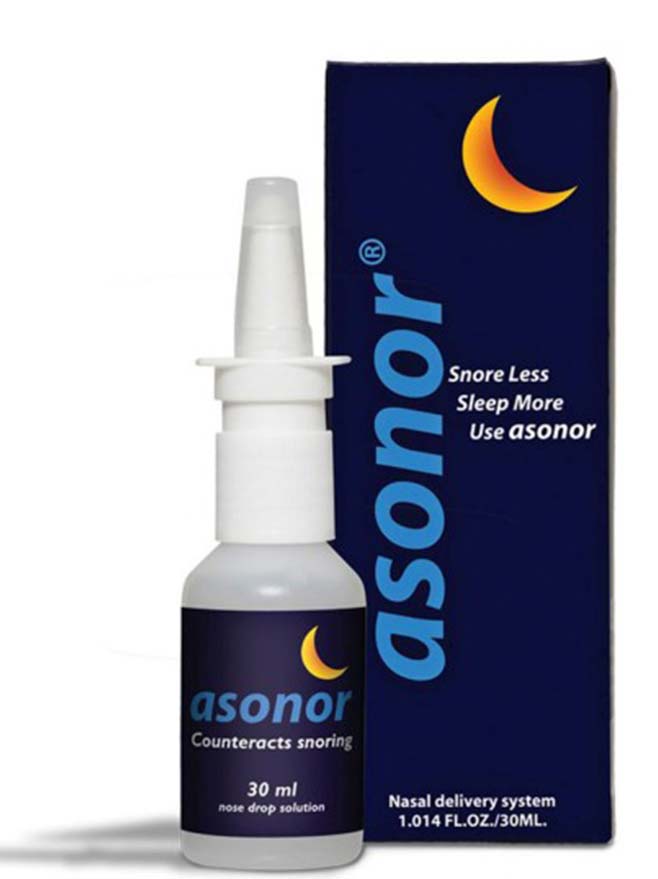
Now, introducing the game-changer—Asonor Anti-snoring Spray and Snoring Solution by TannerMedico. With a clinical effectiveness of 75%, Asonor is not just a remedy; it’s a result of meticulous research into the intricate causes of snoring. Why let chronic snoring erode the quality of your life? If you’ve been on the quest for the ideal anti-snoring solution for you or your partner, send your inquiries to info@tannermedico.com. Don’t let snores dictate your nights; reclaim peaceful sleep with Asonor.
0 Comments