
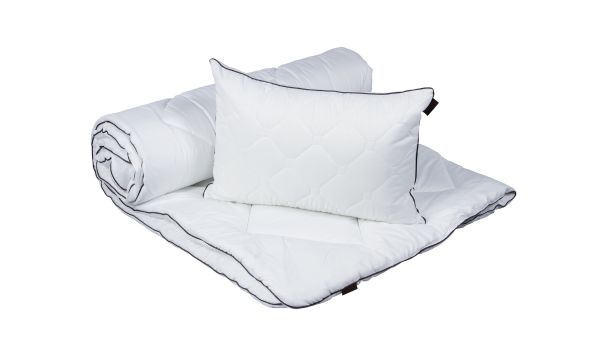
Finding the Right Support for a Snore-Free Sleep
Are you tired of waking up to the sounds of your snoring or your partner’s nocturnal symphony? The answer might be closer than you think – in your choice of pillow and mattress. This article guides you through the intricate world of bedding, offering insights into selecting the best mattress and pillow to mitigate snoring. After all, a good night’s sleep is not just about quantity; it’s about quality.
Unraveling the Connection
Why Do Pillows and Mattresses Matter?
Your sleep environment significantly influences the quality of your sleep, and snoring can often be linked to inadequate support for your head and neck. A pillow and mattress that provide the right balance of comfort and support can play a pivotal role in keeping your airways open and reducing the likelihood of snoring.

Choosing the Right Pillow
-
Material Matters
The type of material your pillow is made from can impact snoring. Memory foam pillows are renowned for their ability to conform to the shape of your head and neck, providing tailored support. Latex pillows are another excellent option, offering a balance of firmness and comfort.
-
Height and Firmness
The ideal pillow height and firmness can vary from person to person. However, in general, a pillow that keeps your head and neck aligned with your spine is recommended. Pillows that are too high or too flat can cause your airways to be constricted, potentially leading to snoring.
-
Anti-Snore Pillows
Anti-snore pillows are specifically designed to address the underlying causes of snoring. These pillows often feature unique shapes or contours that encourage better head and neck alignment, helping to keep the airways open. While individual responses may vary, some users report a reduction in snoring when using anti-snore pillows.
Selecting the Right Mattress
-
Firmness Level
When it comes to mattresses, the firmness level can make a significant difference. While personal preference plays a role, a mattress that is too soft may cause your body to sink, potentially leading to airway obstruction. On the other hand, a mattress that is too firm may not provide adequate contouring for your body.
-
Adjustable Beds
For those who snore due to positional issues, an adjustable bed might be a game-changer. Elevating the upper body can often alleviate snoring by promoting better breathing and reducing pressure on the airways.
-
Consider Your Sleep Position
The position you sleep in can influence snoring. Side sleeping is generally recommended for reducing snoring, as it helps keep the airways open. Mattresses that provide support and comfort for side sleeping can be particularly beneficial.

The Impact of Snoring on Overall Health
Before delving into the selection criteria for pillows and mattresses, it’s crucial to understand the broader impact of snoring on your health. Snoring, if left unaddressed, can contribute to various health issues. It may lead to disrupted sleep patterns, resulting in daytime fatigue, irritability, and decreased cognitive function. Long-term snoring has also been associated with an increased risk of cardiovascular problems and hypertension. Moreover, the strain that snoring puts on relationships cannot be overlooked.
The Causes of Snoring: More than a Sound Issue
-
Nasal Congestion
One common cause of snoring is nasal congestion. When the nasal passages are partially blocked, airflow is restricted, leading to vibrations in the throat – the familiar sound of snoring.
-
Obesity and Poor Muscle Tone
Excess weight, particularly around the neck, can contribute to poor muscle tone. When the muscles in the throat are not adequately toned, they are more prone to collapse during sleep, causing snoring.
-
Sleep Position
Sleeping on your back can lead to the tongue and soft palate collapsing to the back of the throat, obstructing the airway and resulting in snoring.
-
Alcohol and Sedatives
Consuming alcohol or sedatives before bedtime can relax the muscles in the throat excessively, increasing the likelihood of snoring.
-
Age and Gender
As people age, the throat becomes narrower, and muscle tone decreases. Men are generally more prone to snoring than women.

Techniques for Reducing Snoring: A Holistic Approach
-
Lifestyle Changes
Simple lifestyle modifications can make a significant difference. Maintaining a healthy weight, avoiding alcohol and sedatives before bedtime, and establishing a consistent sleep schedule are effective strategies.
Healthy Weight Management
Excess weight, especially around the neck, can contribute to snoring. Engaging in regular exercise and adopting a balanced diet can aid in weight management.
Avoiding Alcohol and Sedatives
Alcohol and sedatives relax the muscles in the throat, increasing the likelihood of snoring. Limiting their consumption, particularly in the hours leading up to bedtime, can mitigate this effect.
Establishing a Consistent Sleep Schedule
A regular sleep routine helps regulate your body’s internal clock, promoting better sleep quality and reducing the likelihood of snoring.
-
Sleep Positioning Techniques
Changing your sleep position can be an effective strategy. For back snorers, sleeping on your side may prevent the collapse of the tongue and soft palate, reducing snoring.
Use of Body Pillows
Body pillows can help encourage side sleeping by providing additional support and preventing you from rolling onto your back during the night.
Adjustable Beds
For those who struggle with positional snoring, an adjustable bed that elevates the upper body can promote better breathing and reduce snoring.
-
Medical Interventions
In cases where lifestyle changes and positional techniques do not provide sufficient relief, medical interventions may be considered.
Continuous Positive Airway Pressure (CPAP) Therapy
CPAP therapy involves wearing a mask that delivers a continuous stream of air to keep the airways open. It is commonly used for obstructive sleep apnea but can also be effective for snoring.
Surgical Options
Surgical interventions, such as uvulopalatopharyngoplasty (UPPP) or genioglossus advancement (GA), may be considered.
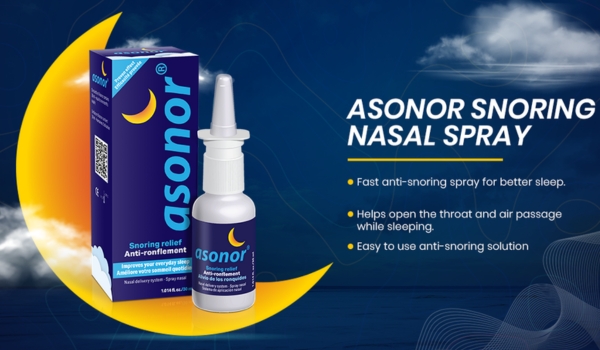
Asonor Anti-Snoring Spray: Elevating Your Sleep Experience
While lifestyle changes and positional techniques can be beneficial, for targeted and immediate relief, consider Asonor Anti-Snoring Spray. Clinically proven effective in 75% of cases studied, this non-invasive solution by TannerMedico addresses snoring at its source. By lubricating and tightening the tissues in the throat, Asonor minimizes vibrations and ensures a quiet night’s sleep.
Don’t let snoring disrupt your sleep and well-being. Asonor Anti-Snoring Spray has been developed with your peace and comfort in mind. If you’re ready to transform your nights, email your questions to info@tannermedico.com. Take the first step toward a snore-free, peaceful sleep.
0 Comments