

Introduction
Snoring is often dismissed as a harmless nighttime nuisance—something that annoys a bed partner but means little else. Yet a growing body of research shows that regular, loud snoring can be a red flag for cardiovascular problems, particularly uncontrolled hypertension. Recent large-scale studies reveal that snoring itself—not just obstructive sleep apnea (OSA)—is independently associated with higher blood pressure. This article explores the science behind the connection, highlights who is most at risk, and shares practical steps to protect your heart and improve your sleep health.
What Causes Snoring and Why Does It Matter?
The Mechanics of a Snore
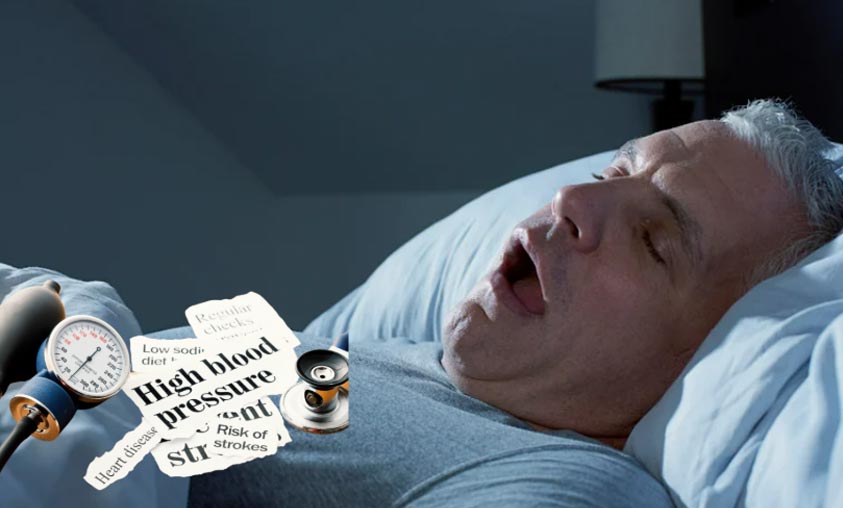
Snoring occurs when air struggles to move through a narrowed upper airway during sleep. As throat muscles relax, the soft tissues of the palate and uvula vibrate, creating the familiar sound. Snoring affects both men and women and tends to worsen with age.
Beyond the Noise: Snoring as a Health Indicator
Occasional snoring is common, but frequent, loud snoring can indicate partial airway obstruction. This disruption not only fragments sleep but also elevates the risk of high blood pressure. Repeated tissue vibration may even irritate and inflame the carotid arteries, adding another potential pathway to cardiovascular damage.
How Snoring Is Linked to Hypertension
Key Study Findings
A landmark investigation published in npj Digital Medicine monitored 12,287 adults for multiple nights using under-mattress sensors and home blood-pressure monitors. By relying on objective, continuous data rather than self-reported questionnaires, researchers overcame many limitations of earlier studies.
The Independent Role of Snoring
The results were striking: individuals who snored for long periods each night had significantly higher systolic and diastolic blood pressure—even after adjusting for OSA. In some cases, the effect of snoring alone was comparable to severe sleep apnea. People without apnea but with heavy snoring showed average increases of about 3.8 mmHg systolic and 4.5 mmHg diastolic, enough to meaningfully raise cardiovascular risk.
Primary Snoring and Hypertension
Even among participants with no sleep apnea (respiratory disturbance index <5), prolonged nightly snoring was linked to an 89% higher prevalence of uncontrolled hypertension. These findings underscore that snoring itself can drive high blood pressure, independent of classic sleep-disordered breathing.
Who Is Most at Risk? Identifying High-Risk Groups
- Age & BMI: The association is strongest in people under 50 and those with a body-mass index under 30. Younger, non-obese adults who snore heavily face nearly a 98% increased risk of hypertension.
- General Population: Across all demographics, habitual snoring correlates with a 20%–80% increase in the likelihood of elevated blood pressure.
This means that even if you are not overweight and feel healthy, frequent snoring may still jeopardize your heart health.
Understanding Obstructive Sleep Apnea (OSA) and Its Connection
What Is OSA?
OSA occurs when the airway repeatedly collapses during sleep, causing breathing pauses of at least 10 seconds. Each episode triggers drops in blood oxygen and surges of adrenaline, straining the cardiovascular system and raising blood pressure.
Snoring as a Symptom—but Not the Whole Story
While loud snoring is a hallmark of OSA, not everyone who snores has apnea, and not every apnea patient snores. Still, OSA is a well-established cause of hypertension, and treating it often lowers blood pressure.
Practical Steps: How to Manage Snoring and Protect Your Heart
When to See a Doctor
Consult a physician if you:
- Snore loudly most nights
- Experience daytime sleepiness
- Wake up gasping or choking
- Already have high blood pressure that is hard to control
A sleep study (polysomnography) can determine whether you have OSA or primary snoring.
Lifestyle Modifications
Simple changes can reduce both snoring and blood pressure:
- Maintain a healthy weight to decrease throat tissue obstruction.
- Avoid alcohol for several hours before bedtime.
- Quit smoking, which irritates airway tissues.
- Sleep on your side to prevent the tongue from collapsing backward.
- Establish a consistent sleep schedule and keep your bedroom cool and quiet.
Clinical Treatments
Continuous Positive Airway Pressure (CPAP)
CPAP devices deliver a gentle stream of air through a mask to keep the airway open. Numerous studies show CPAP can modestly lower blood pressure and improve nighttime readings, especially in people with treatment-resistant hypertension. Consistency is key; finding a comfortable mask and gradually adapting to the machine improves adherence.
Other Medical Interventions
Custom oral appliances reposition the jaw to reduce airway collapse. For structural issues, surgical procedures such as uvulopalatopharyngoplasty (UPPP) may be considered.
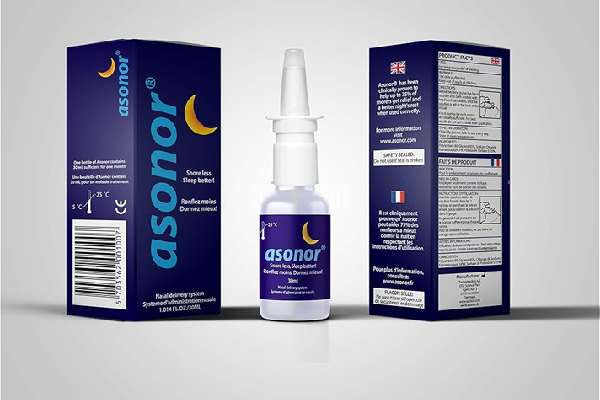
For many people with primary snoring, a high-quality nasal spray can be a simple first step. Products like the Asonor snoring nasal spray are designed to lubricate and tighten throat tissues, helping reduce vibrations and improve airflow. You can explore more snoring solutions on the Asonor website.
Conclusion: Don’t Ignore the Snore
Persistent snoring is more than a bedtime annoyance. Robust evidence shows it is an independent risk factor for uncontrolled high blood pressure, even in younger and normal-weight adults. Objective multi-night monitoring now confirms what doctors long suspected: treating snoring—whether or not sleep apnea is present—can protect cardiovascular health.
If you or a loved one snores loudly and regularly, speak with a healthcare professional. Addressing snoring early, through lifestyle changes, medical treatment, or targeted aids such as Asonor, may be the key to better sleep and a healthier heart.
FAQ
1. Can snoring alone raise blood pressure?
Yes. Studies show prolonged nightly snoring is linked to higher systolic and diastolic blood pressure, independent of obstructive sleep apnea.
2. How common is habitual snoring?
Estimates suggest about 40% of adult men and 25% of adult women snore regularly.
3. What lifestyle habits help reduce snoring?
Maintaining a healthy weight, avoiding alcohol before bed, quitting smoking, and sleeping on your side can all help.
4. When should I see a doctor about snoring?
If snoring is loud, frequent, and accompanied by daytime fatigue, morning headaches, or high blood pressure, seek medical advice and consider a sleep study.
5. Are nasal sprays effective for primary snoring?
Yes. Products like the Asonor nasal spray can help lubricate airway tissues and reduce vibrations, offering a non-invasive option for many adults.
0 Comments