

When it comes to snoring, it’s often viewed as a mere nuisance, an annoyance to bed partners and roommates. However, could there be more to snoring than just a noisy night’s rest? In recent years, medical research has shed light on the potential health risks associated with chronic snoring. One of the most concerning questions is whether snoring is bad for your heart. In this article, we’ll explore the relationship between snoring and heart health, the dangers of snoring, and when you should be worried about snoring.
The Snoring Conundrum: What’s Happening When You Snore?
Before we dive into the effects of snoring on the heart, let’s understand why snoring occurs. Snoring takes place when the flow of air through the mouth and throat is partially obstructed. This obstruction causes the surrounding tissues to vibrate, producing the familiar snoring sound. Several factors can contribute to snoring, including excess weight, weak throat muscles, and nasal congestion.

When Should I Be Worried About Snoring?
While occasional snoring is common and not usually a cause for concern, chronic and loud snoring can be a red flag for underlying health issues. Here are some indicators of when you should be worried about snoring:
- Loud and Frequent Snoring: If your snoring is loud and occurs regularly, it may be a sign of a more significant problem.
- Gasping or Choking: If you frequently wake up gasping for air or choking, it could be a sign of sleep apnea, a severe sleep disorder linked to heart problems.
- Daytime Sleepiness: If snoring is affecting your sleep quality and causing excessive daytime sleepiness, it’s time to seek medical advice.
- High Blood Pressure: If you have hypertension, and your snoring is persistent, it’s important to address it, as snoring can exacerbate high blood pressure.
The Heart-Snoring Connection
So, is snoring bad for your heart? The answer is not a simple yes or no. Snoring alone is not inherently dangerous to the heart. However, when snoring is a symptom of a more severe condition called obstructive sleep apnea (OSA), the risks to heart health increase significantly.
Obstructive Sleep Apnea (OSA) is a sleep disorder characterized by repeated interruptions in breathing during sleep. These interruptions, known as apneas, can last for seconds to minutes and lead to a drop in blood oxygen levels. OSA is closely linked to various heart-related issues, such as:
- High Blood Pressure (Hypertension): OSA can cause or exacerbate high blood pressure, which is a major risk factor for heart disease.
- Heart Disease: Individuals with OSA are at a higher risk of developing heart diseases, including coronary artery disease, arrhythmias, and heart attacks.
- Stroke: OSA increases the likelihood of stroke due to its impact on blood pressure and oxygen levels.
- Heart Failure: The recurrent drop in oxygen levels associated with OSA can weaken the heart over time, leading to heart failure.

What Happens if Snoring is Left Untreated?
Leaving snoring, especially when it’s a sign of OSA, untreated can have serious consequences for your heart and overall health. OSA not only affects the heart but also impacts your daily life. Untreated OSA may lead to:
- Worsening Heart Health: OSA can further strain the heart, making it work harder to pump blood. Over time, this can result in heart problems.
- Increased Risk of Cardiovascular Events: The combination of OSA and heart problems increases the risk of heart attacks, strokes, and irregular heartbeats.
- Daytime Fatigue: OSA leads to poor sleep quality, causing daytime fatigue, reduced cognitive function, and decreased quality of life.
- Decreased Work and Social Functioning: Chronic fatigue from OSA can impair your ability to concentrate and function at work, as well as enjoy social activities.
Is Snoring Bad for Your Lungs?
In addition to heart concerns, snoring can also have implications for your lung health. Snoring can lead to fragmented sleep, which may contribute to or exacerbate respiratory conditions like chronic obstructive pulmonary disease (COPD) and asthma. These conditions can affect lung function and overall well-being.
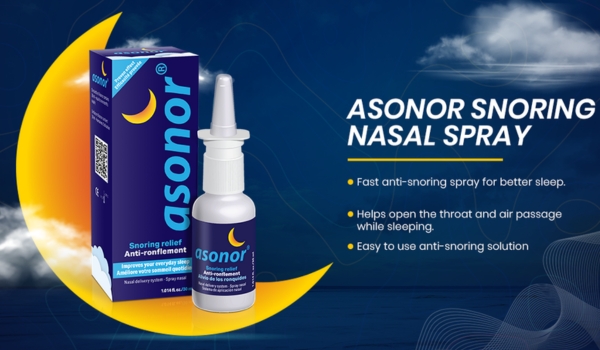
How Asonor Anti-Snoring Spray Can Help
Asonor Anti-Snoring Spray and Snoring Solution by TannerMedico provides a clinically proven solution to alleviate snoring and its potential health consequences. By lubricating and tightening the tissues in the throat, Asonor facilitates smoother airflow, reducing the vibrations that cause snoring. It’s a non-invasive, easy-to-use product that can help you and your partner enjoy quieter, more restful nights.
In conclusion, while snoring itself may not be bad for your heart, it can be a warning sign of obstructive sleep apnea, a condition associated with significant heart risks. To protect your heart and overall health, it’s crucial to address snoring, especially when it’s a symptom of a more severe underlying issue. If you’re worried about snoring and its potential effects, consider Asonor Anti-Snoring Spray as a safe and effective solution. Don’t let snoring continue to disrupt your life; take the first step towards a healthier, quieter future. For more information, email your questions to info@tannermedico.com.
0 Comments