
Introduction
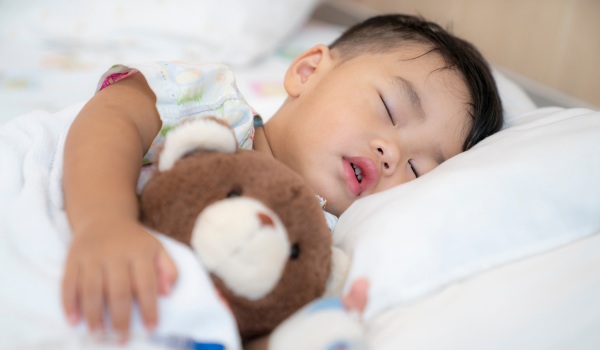
Snoring in children can be a source of concern for parents, and rightfully so. It’s important to understand the prevalence, causes, and potential implications of snoring in children. This article aims to shed light on why some children snore, whether it’s a cause for worry, and how it can impact their overall well-being, including their sleep quality, behavior, and development.
Prevalence of Snoring in Children
Snoring is not limited to adults; it’s a prevalent issue among children too. Studies suggest that approximately 10% to 12% of children snore regularly. The prevalence may vary with age, with snoring being more common in younger children. Understanding the prevalence is essential to recognize that this is not an isolated issue but a concern faced by a significant number of families.
Snoring in children can be particularly concerning as it affects both the child and the family. It can disrupt the family’s sleep, causing stress and fatigue. Moreover, snoring can sometimes be an indicator of underlying health issues that need attention, making it imperative to address the concern.

Causes of Snoring in Children
Several factors can contribute to snoring in children:
-
Nasal Congestion and Allergies
Nasal congestion due to allergies or other respiratory issues can cause snoring in children. Swollen nasal passages restrict airflow, leading to the characteristic snoring sound. Common allergens like dust mites, pet dander, or pollen can trigger this nasal congestion, especially during certain seasons.
-
Enlarged Tonsils and Adenoids
Enlarged tonsils and adenoids, common in children, can obstruct the airway during sleep, resulting in snoring. Tonsils and adenoids are part of the immune system, and their enlargement can occur due to recurrent infections or inflammation.
-
Obesity
Excess weight can lead to the accumulation of fatty tissues around the neck and throat, putting pressure on the airway and causing snoring. Childhood obesity is a growing concern, and addressing it is crucial in managing and preventing various health issues, including snoring.
-
Sleep Position
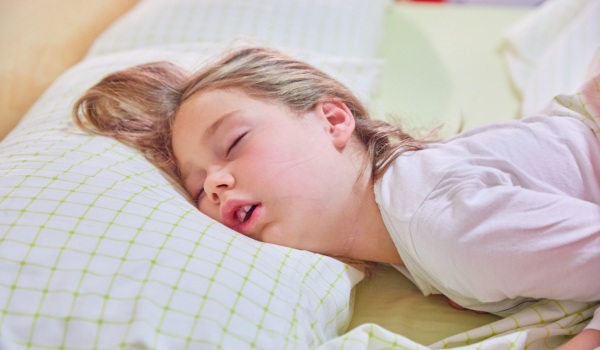
Sleeping in certain positions, especially on the back, can cause the tongue and soft palate to collapse to the back of the throat, leading to snoring. Encouraging children to sleep on their sides can sometimes alleviate snoring caused by sleep position.
-
Structural Abnormalities
In some cases, children may have structural abnormalities in their airway or facial structure that contribute to snoring. These abnormalities can be present from birth or develop over time, affecting the normal airflow during sleep.
Understanding the specific cause of a child’s snoring is crucial for implementing targeted interventions and improving their sleep quality and overall health.
Potential Concerns and Impact on Children
While occasional snoring may not be a cause for concern, persistent and loud snoring can be indicative of sleep-disordered breathing, like sleep apnea. Here are potential concerns associated with snoring in children:

-
Impact on Sleep Quality
Snoring can disrupt a child’s sleep, leading to insufficient or poor-quality rest, which is crucial for their growth and development. Quality sleep is essential for memory consolidation, learning, and overall cognitive function, and any disruptions can impede these processes.
-
Behavioral Problems
Inadequate sleep due to snoring can manifest as behavioral issues such as hyperactivity, irritability, and difficulty concentrating. Children may struggle to manage their emotions and behaviors effectively, impacting their social interactions and academic performance.
-
Learning Difficulties
Consistently disrupted sleep can negatively impact a child’s ability to focus and learn, potentially affecting academic performance. Learning difficulties can arise due to decreased attention span, reduced memory retention, and compromised problem-solving abilities.
-
Daytime Fatigue
Poor-quality sleep due to snoring can result in daytime fatigue, hindering a child’s participation in daily activities and affecting their overall well-being. This fatigue can lead to reduced physical activity, affecting their health and contributing to a sedentary lifestyle.
Addressing snoring in children is essential not only for their immediate well-being but also for setting the foundation for a healthy lifestyle and academic success.
How Asonor Anti-Snoring Spray Can Help
If you’re a parent concerned about your child’s snoring, Asonor Anti-Snoring Spray and Snoring Solution by TannerMedico offers a safe and effective option. With a 75% clinical effectiveness rate, this product is a result of extensive research into the causes and aspects of snoring.
Asonor Anti-Snoring Spray helps by lubricating and tightening the tissues in the throat, facilitating smoother airflow and reducing the vibrations that cause snoring. It’s non-invasive and easy to use, making it suitable for children.
Don’t let snoring affect your child’s well-being. Reach out to us at info@tannermedico.com to learn more about how Asonor Anti-Snoring Spray can help your child experience quieter nights and improved sleep quality.
In conclusion, snoring in children is a prevalent concern with potential implications for their sleep quality, behavior, and development. Understanding the causes and being vigilant about potential concerns is crucial. If your child is experiencing persistent and loud snoring, considering solutions like Asonor Anti-Snoring Spray can be a proactive step toward ensuring better sleep and overall well-being for your child.
Related articles:
How to Stop Someone from Snoring Without Waking Them
Snoring and Pregnancy: Understanding the Connection
Surgical Options for Snoring: A Comprehensive Guide
Coping with a Snoring Partner: Tips for Peaceful Nights
0 Comments